What an aroma record can tell us
A useful aroma record says who perceived what, under which circumstances and with what confidence. “Resembles citrus peel” describes an experience; it is not a limonene measurement. “Pleasant” does not specify a smell, its intensity or why the observer likes it. This guide separates description, preference and chemical analysis.
Recording observations before and after a sample-handling event preserves its chronology. A change in descriptive words alone does not explain the cause: time, container, background odours and observer may differ. Those circumstances belong beside the observation, rather than assuming a compound increased because a note became more noticeable.
Why a terpene list does not tell the whole aroma story
Oswald and colleagues’ 2021 research linked volatile sulfur compounds with skunk-like aromas in the samples studied, combining instrumental analysis with a four-person sensory panel. Their 2023 work examined extracts and linked distinctive aromas with minor nonterpenoid compounds. These findings caution against reducing aroma to a few terpene names; neither study identifies the chemistry of BUDS archive photographs or specimens. Oswald et al. · Cannabis volatile sulfur compounds (2021) Oswald et al. · Aroma compounds (2023)
A 2025 PLOS One study developed shared aroma terms with trained assessors. How often a term is selected is not itself a direct intensity measurement. The lesson for our notebook is to define words consistently, without presenting our editorial template as validated by that study. Isaacson et al. · PLOS One (2025)
Build a vocabulary another reader can understand
Use familiar comparisons and signal that they are comparisons: reminiscent of dry wood, herbs, flowers or citrus peel. Then describe prominence and confidence. “Sweet” in an aroma note is not a sugar test, while “I like it” belongs in a preference field rather than replacing the description.
| Field | Hypothetical entry | What it conveys |
|---|---|---|
| Character | Dry-wood-like, with a faint citrus-like note | The observer’s descriptive comparison |
| Perceived prominence | Wood is more prominent than citrus in this record | Relative prominence, not chemical concentration |
| Confidence / preference | Uncertain about citrus; prefers the woody note | Observer confidence and personal preference |
If a team uses scores, define each level before collecting entries and do not change the scale halfway through a comparison. “Faint, identity uncertain” is more informative than an apparently precise number without a definition. Having observers write before reading one another’s notes is an editorial way to preserve distinct perspectives, not a guarantee that bias disappears.
Before and after: preserve events without inventing causes
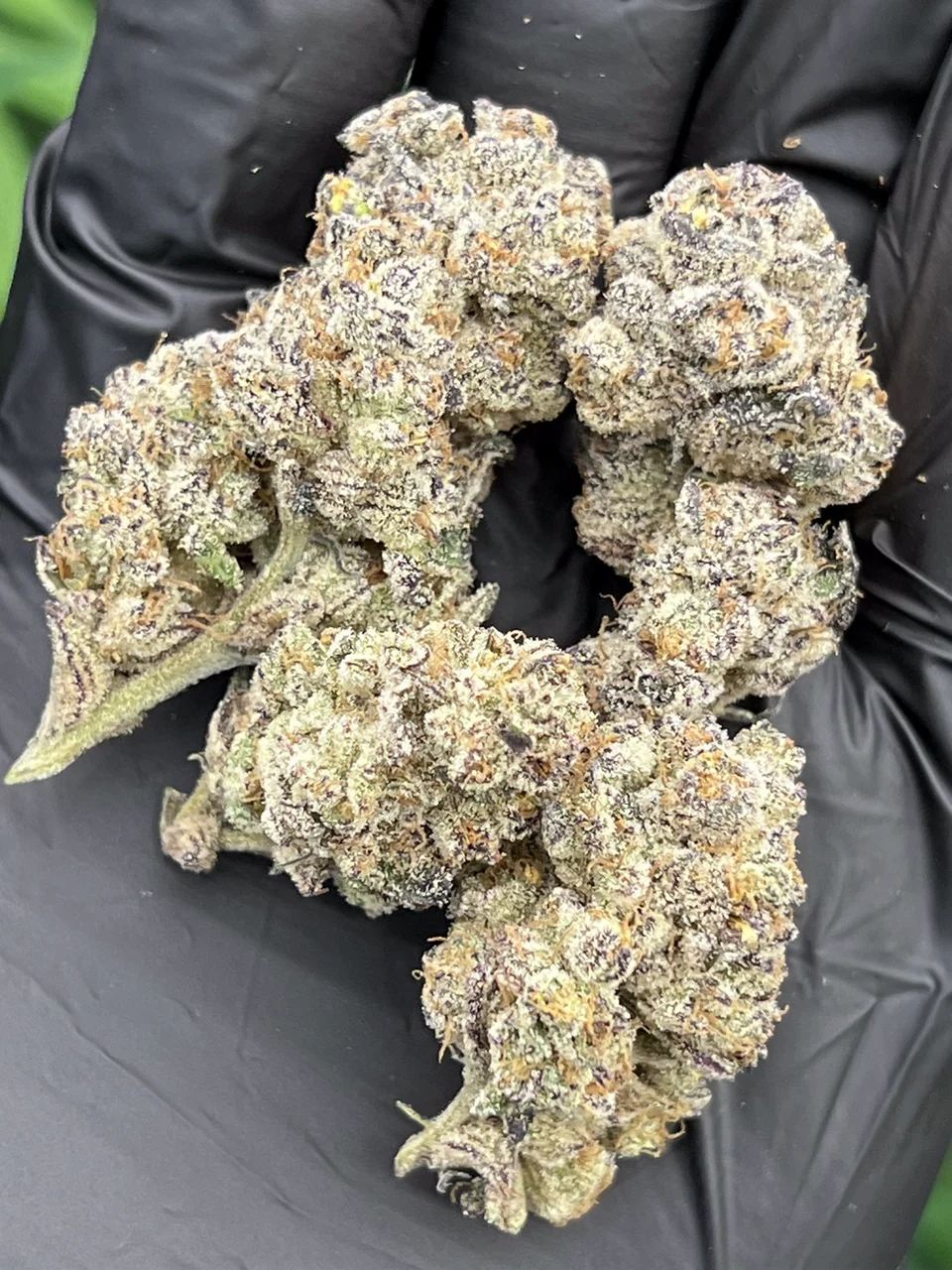
For whole-flower and post-grind notes—or any before-and-after record—retain the specimen ID, observer, time, container and the change that actually occurred. This guide concerns interpretation and documentation, not processing a sample to intensify aroma. Unknown conditions remain unknown rather than being filled with plausible guesses.
| Entry | A · 10:00 | B · 10:20 |
|---|---|---|
| ID / observer | DEMO-AROMA-01 / observer A | Same ID / same observer |
| Context | Before grinding; background odour not recorded | After grinding; time and context not controlled |
| Description | Dry-wood-like; other notes uncertain | Still dry-wood-like; citrus-peel-like added |
| Conclusion | Retain as observation A | Descriptors differ; cause remains unresolved |
Terms that appear in sensory records
In BUDS’ editorial template, first hit refers to the participant’s initial reported sensation; mouthfeel describes sensations in the mouth, such as smoothness or irritation; exhale notes describe perceptions associated with breathing out. Aftertaste and afterfeel distinguish a lingering taste from lingering sensations, which may include the lips or teeth. These are descriptive terms, not tests of lung function or safety; a smooth sensation is not evidence of harmlessness.
A published record should distinguish actual reported observations from unassessed fields. Filling every heading with impressive terminology must not imply that a test occurred. Clean State Protocol explains how we separate these states and limit the conclusions.
A useful conclusion preserves detail and uncertainty
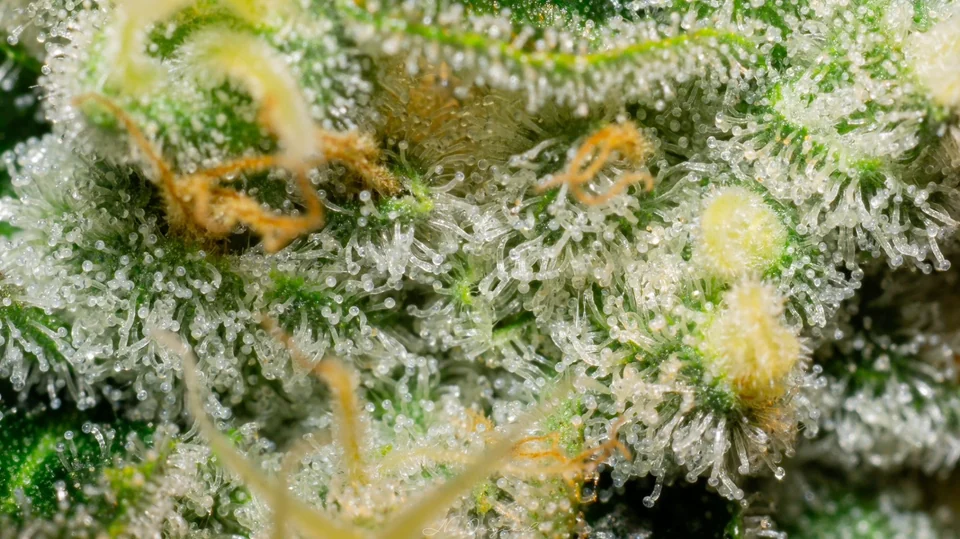
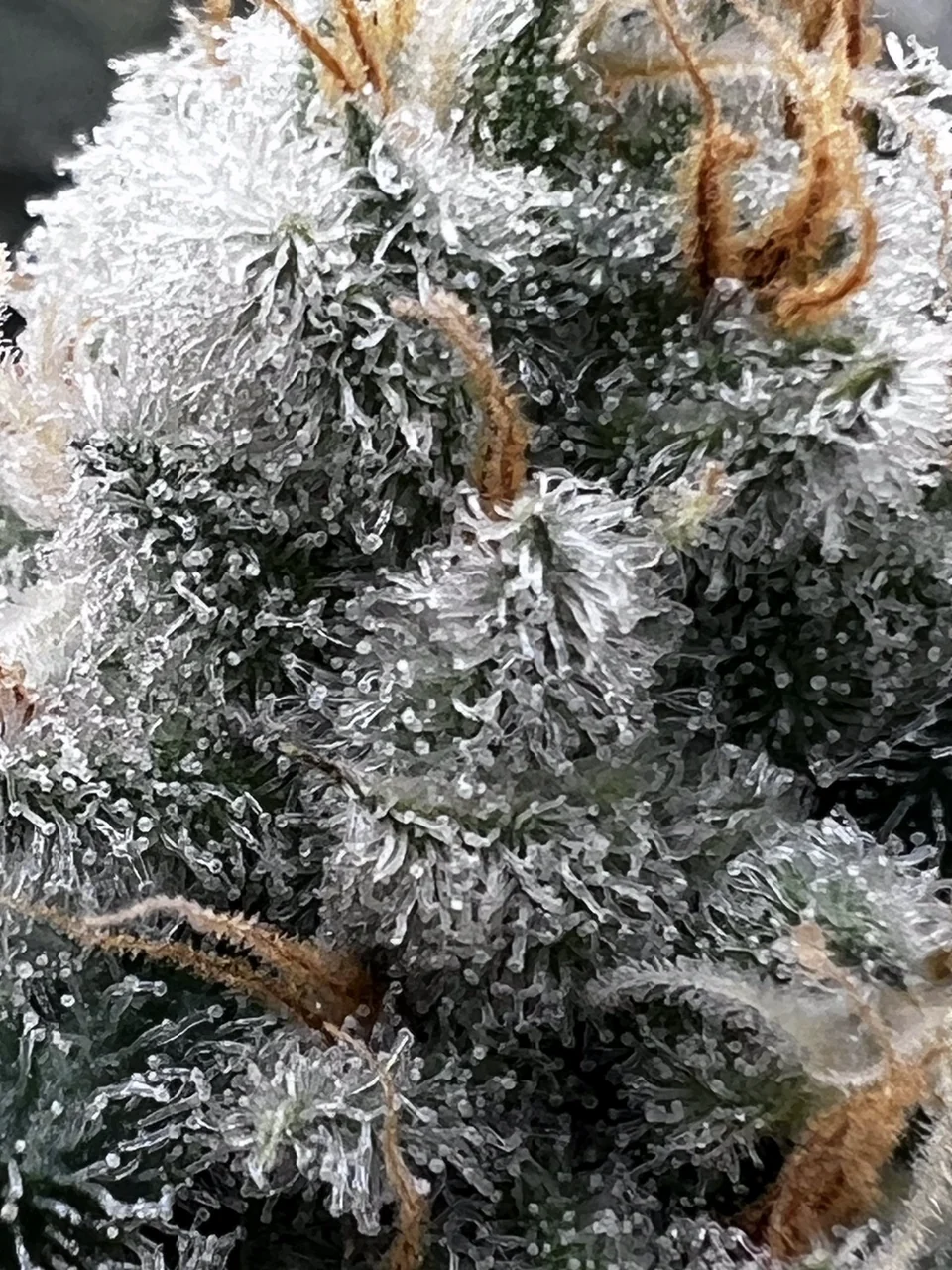
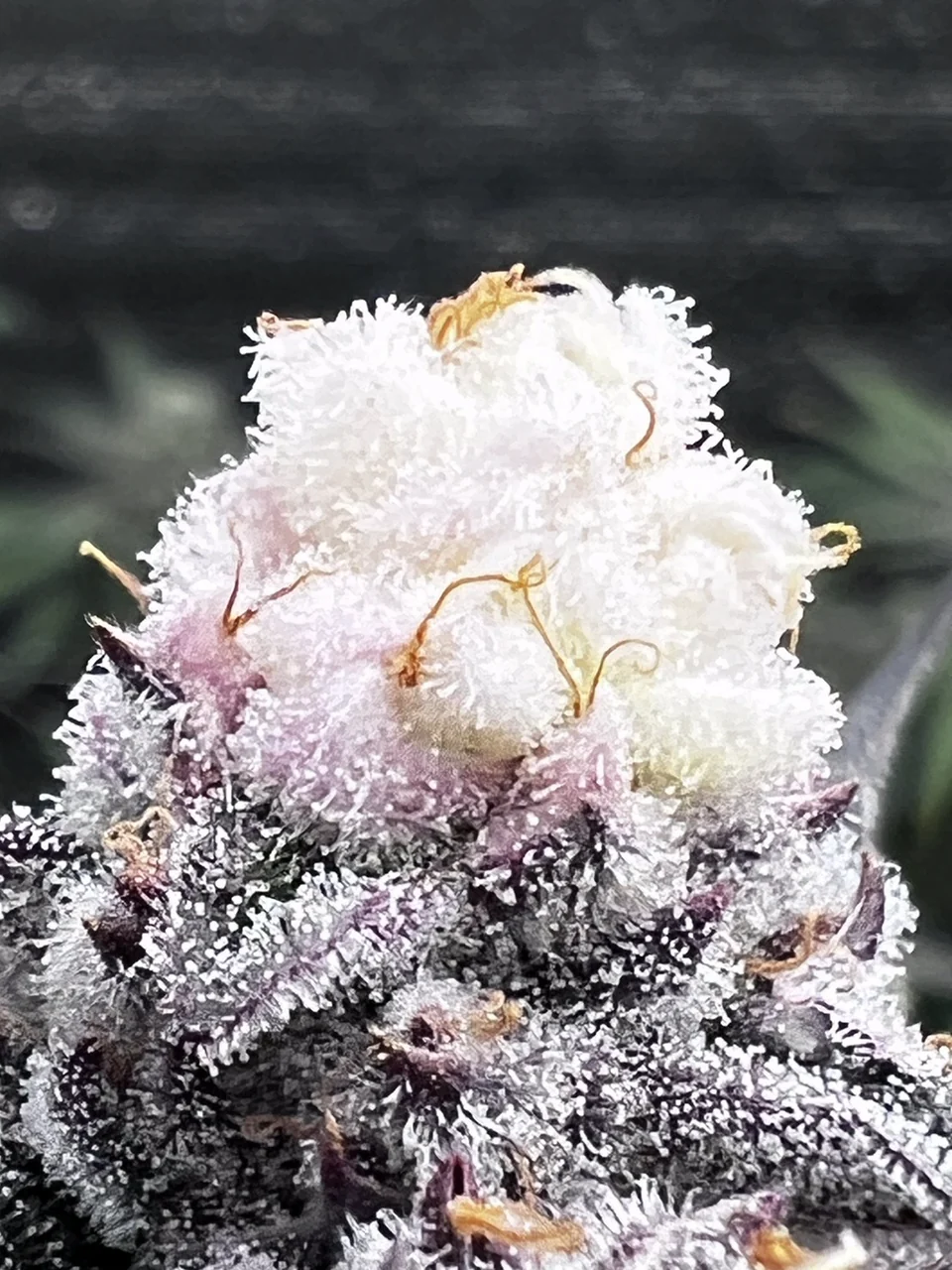
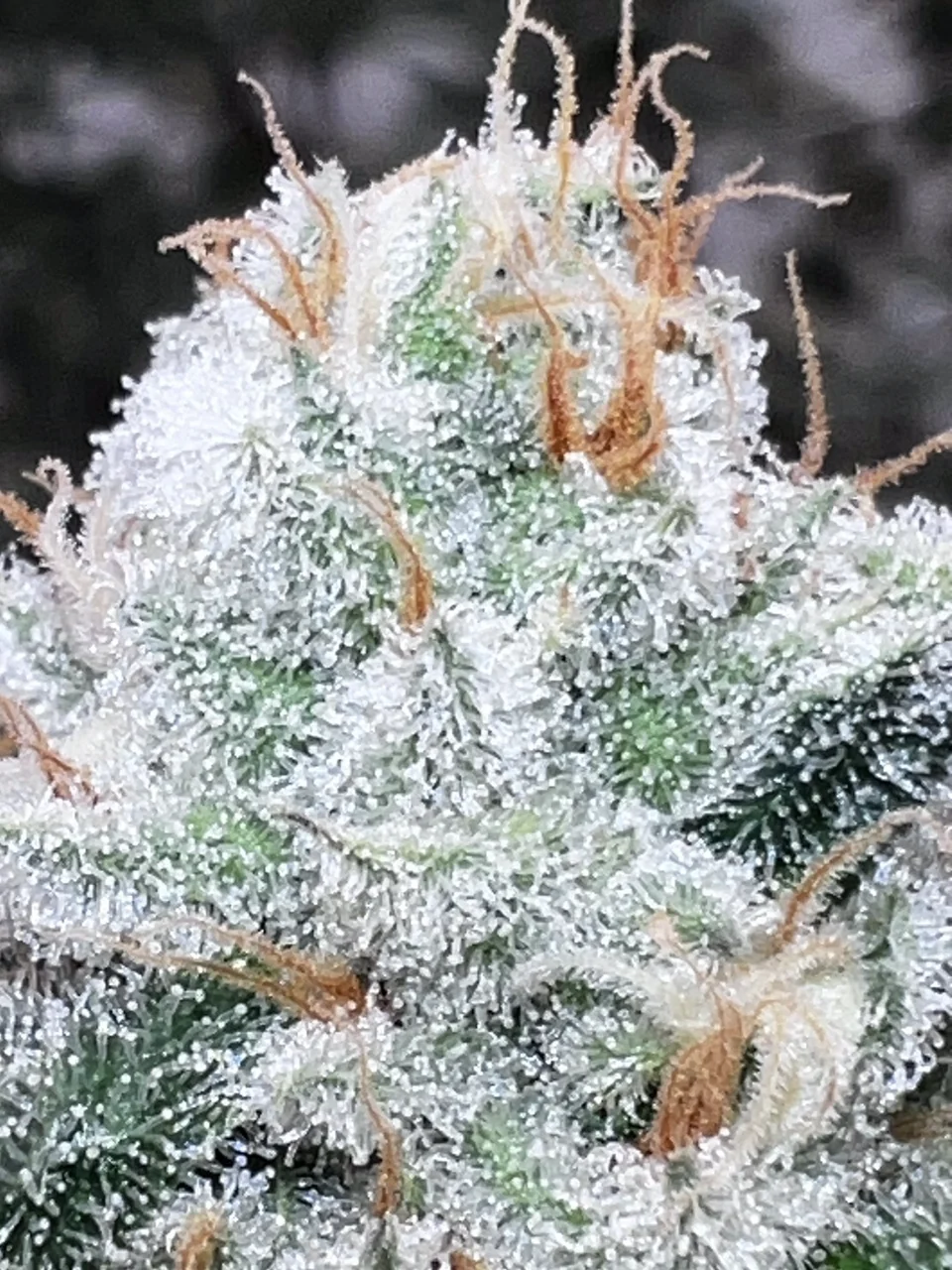
By the end of an aroma record, the reader should know the main descriptors, what changed between observations and what remains unexplained. A chemical name is not required in every sentence. Composition questions belong with a lab report matched to the sample. Reading macro photographs adds appearance information, without making an image stand in for aroma or aroma stand in for an assay.