Whose framework is Clean State?
Clean State is an editorial observation framework proposed by BUDS THAILAND to give personal accounts provenance, context and visible limitations. This page explains the framework; it does not certify that every specimen has been tested and is not a clinical trial. Each published record must identify its own evidence status.
The purpose is to distinguish participant reports, observations and documented measurements. A complete form does not make those evidence types interchangeable. Empty fields must not be filled with praise to create the impression of a completed review.
The Clean Veteran
The Clean Veteran is an experienced driver listening closely to the engine again. Our proposed approach asks reviewers to report a month without cannabis and alcohol, alongside contextual factors that may affect their experience.
A reported abstinence interval does not prove complete clearance or perfectly accurate perception. One person’s record describes that person’s experience on that occasion, not a result everyone can expect or a substitute for clinical advice.
An abstinence period is participant-reported history, not a confirmed test result. Research comparing self-reports with urinary biomarkers found that interpretation depends on the testing approach and whether abstinence is recent or sustained; residual excretion can complicate agreement. A discrepancy does not by itself establish false reporting. BUDS identifies unverified information and does not use a stated abstinence period to certify a sensory record’s accuracy or safety.
The sample travels with its history
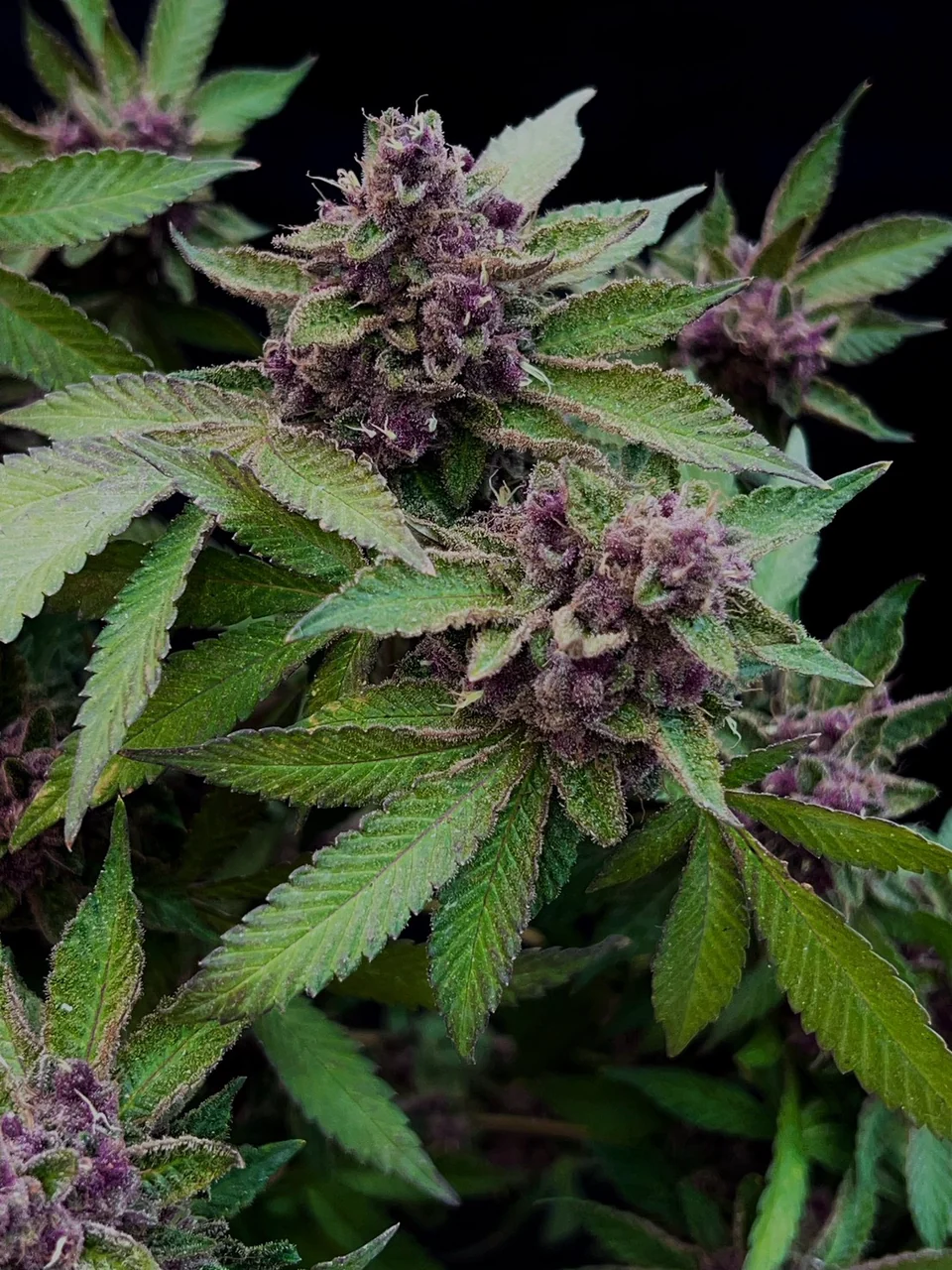
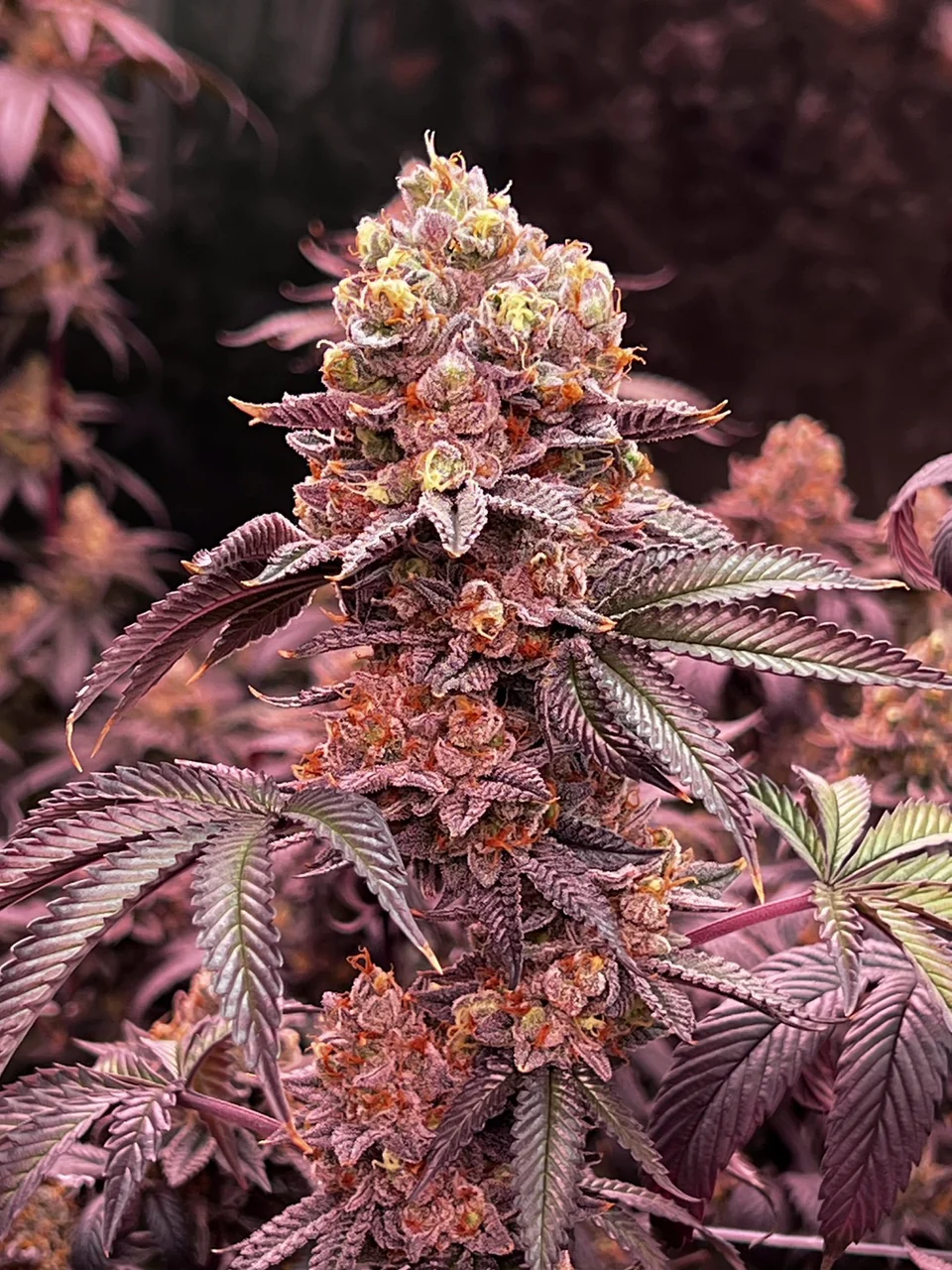
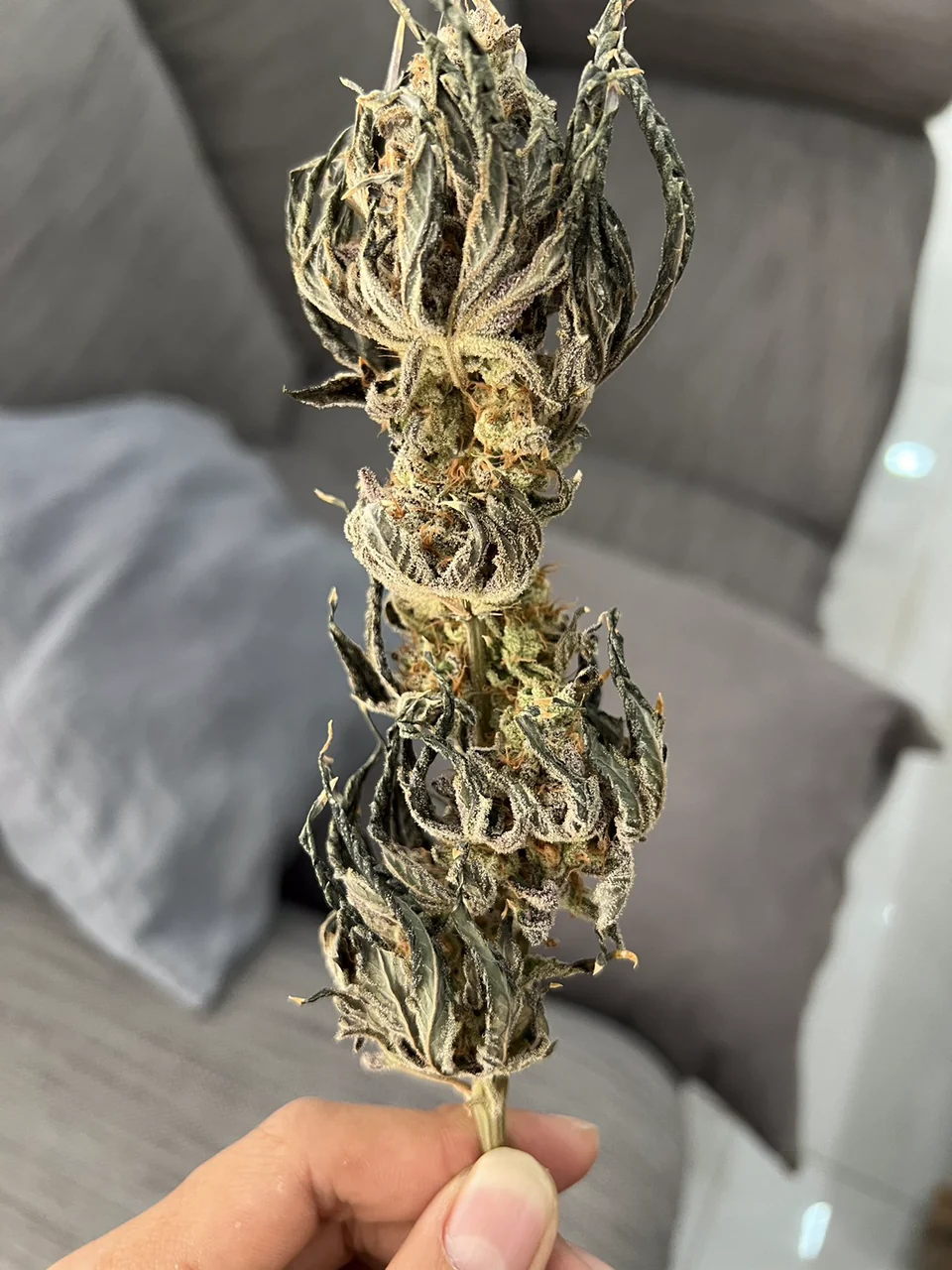
A sample should arrive with its history: lineage, breeder, seed or clone, growth phases, nutrients, EC, humidity, flushing, drying and curing. Sample or batch identifiers should connect to lab documents. Missing evidence remains explicitly undocumented.
Before comparing records across samples, distinguish genotype, phenotype and chemotype so it is clear whether the record refers to genetic information, observable traits or chemical analysis.
One session, one context
Keep each session and cultivar distinct, and disclose mixed use. Record the method and amount actually observed when known, without setting a standard amount for readers to follow.
Record the sensory details
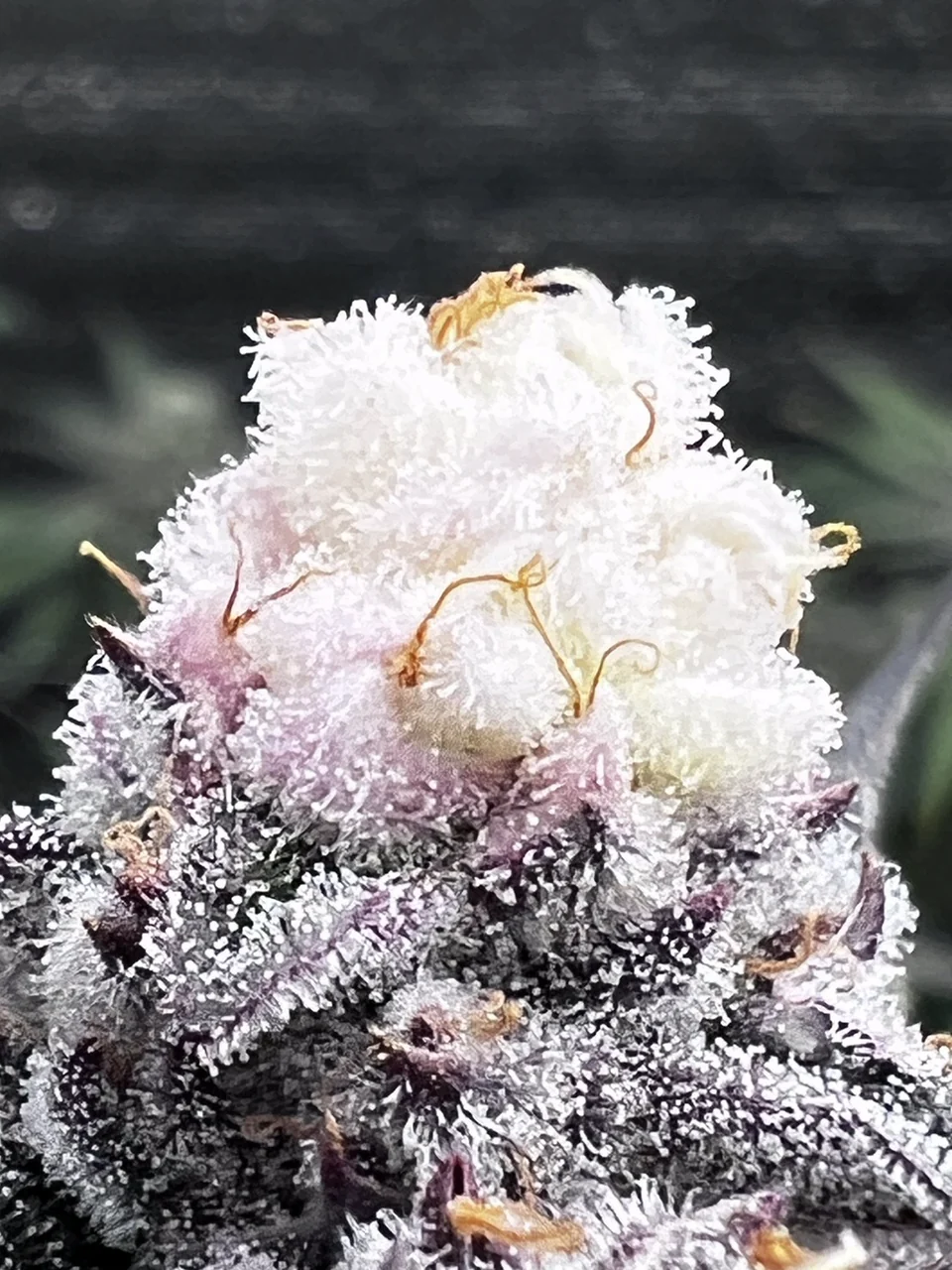
The record separates whole-flower and post-grind aroma, then first hit, mouthfeel and exhale by method. Aftertaste, lip sensation and dental afterfeel prevent small details from disappearing into broad words such as fragrant or smooth.
The Sensation Timeline
The layout uses initial (0–10-minute), 30-minute, one-hour and comedown stages. Actual observations keep their real timestamps. Anxiety, paranoia and bodily sensations have separate fields. Not assessed never means that a symptom was absent.
The Lucid Sensor
The Lucid Sensor separates observation from expectation. We record when discomfort is actually noticed and when it eases, without claiming that experience predicts its end. Serious symptoms take priority over continuing a record; seek appropriate help.
Biological Transparency & Privacy
Biological documents are sensitive personal information. Any supporting use requires consent, a defined purpose and restricted access. Raw reports remain private, and a document does not certify unbiased perception.
A chemical test and the ability to perform a task answer different questions. CDC’s explanation of THC and driving notes that the presence or concentration of THC is difficult to relate to driving impairment in an individual. BUDS does not treat a drug-test result or feeling “in control” as certification that driving is safe.
Status of this recording method
Editorial edition, 8 October 2026: Clean State is a recording framework proposed by BUDS, not a clinical trial standard or safety certification. A reported month of abstinence does not guarantee clearance, sensitivity or another person’s response.
Read a record without changing its level of evidence
| Statement | Evidence type | What it does not establish |
|---|---|---|
| Participant reports one month of abstinence | Reported history | Biological confirmation or 100% sensory accuracy |
| Observer notes less conversation at 14:10 | A contextual observation | Which compound caused it or a diagnosis |
| A lab report identifies a specimen | Documented analysis within its scope | Treatment efficacy or a universal response |
| Anxiety not assessed during an interval | Observation gap | No anxiety occurred in that interval |
“Unknown” means the information is unavailable; “not assessed” means that field was not evaluated; “not reported” means no report was recorded; “reported absent” needs a reporter and an observation period. Keeping these states distinct prevents missing data from becoming an apparently favourable result.
Why a detailed account is not a treatment study
NIH describes clinical trials as research assessing interventions and health outcomes under a study plan with participant protections. A timeline or laboratory report in an article does not make a BUDS account such a trial. We claim no clinical validation for Clean State. NIH · Clinical research basics
Editorially, we must also consider expectations, knowing the product name, the absence of a comparator and selective publication of experiences. These limit conclusions even when an observer is sincere. Unpleasant effects and unresolved questions belong in the record alongside favourable notes.
What a finished record should leave with the reader
At the end, readers should know the specimen and provenance, the reporter’s identity to the extent consented, the observation period, missing information and the conclusion’s limits. New information should produce an explained revision with a retained history, not an unexplained conversion of “unknown” into fact.
The Clean State record template shows the fields and how to interpret them; the aroma notebook explains descriptive language; and the article on anxiety and paranoia discusses risks that must remain visible beside favourable accounts. The framework aims for transparent storytelling, not a recommendation that others reproduce the experience.