What a COA is—and what to read first
A Certificate of Analysis, or COA, reports analytical results for a specimen under stated tests and methods. Read it through three questions: which specimen does it describe, what was tested and how, and what conclusions do those results support? This guide covers identity, units, limits and scope before turning to a prominent percentage or “pass” label.
A cropped screenshot of an attractive number may omit the laboratory, report identifier, footnotes and other test pages. Read the complete document with any relevant revision. If only a crop is available, identify it as partial evidence rather than supplying the missing conclusions.
The first question about a lab report
A lab result is the start of a provenance question. Our data model connects each result to a sample, batch, date, unit and original report so the reader can see what was actually analysed.
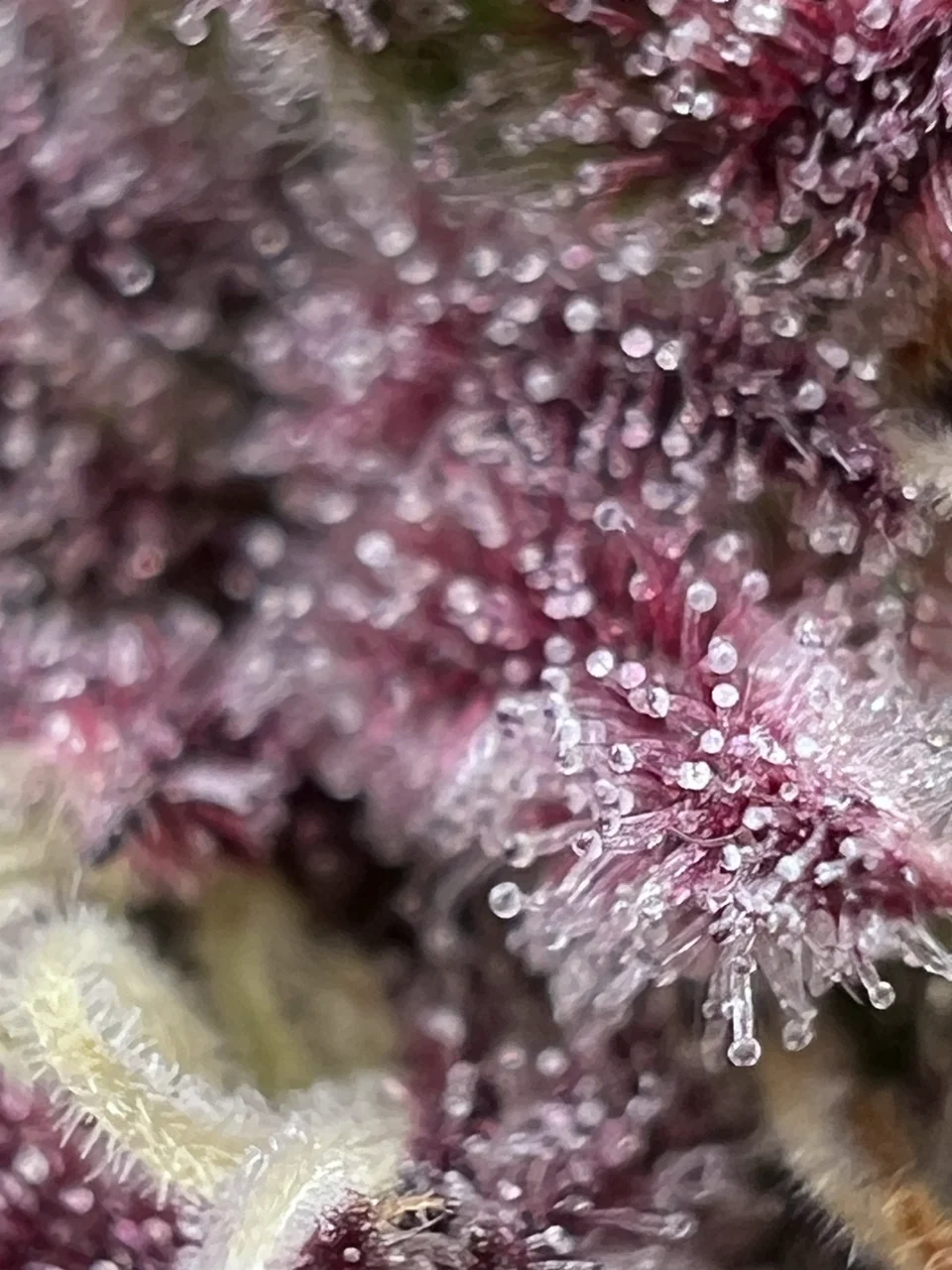
Keep gaps visible
THC, THCA and total THC are separate entries. We never fill gaps with invented values, borrow one sample’s result to certify another, or blur producer statements with checked documents.
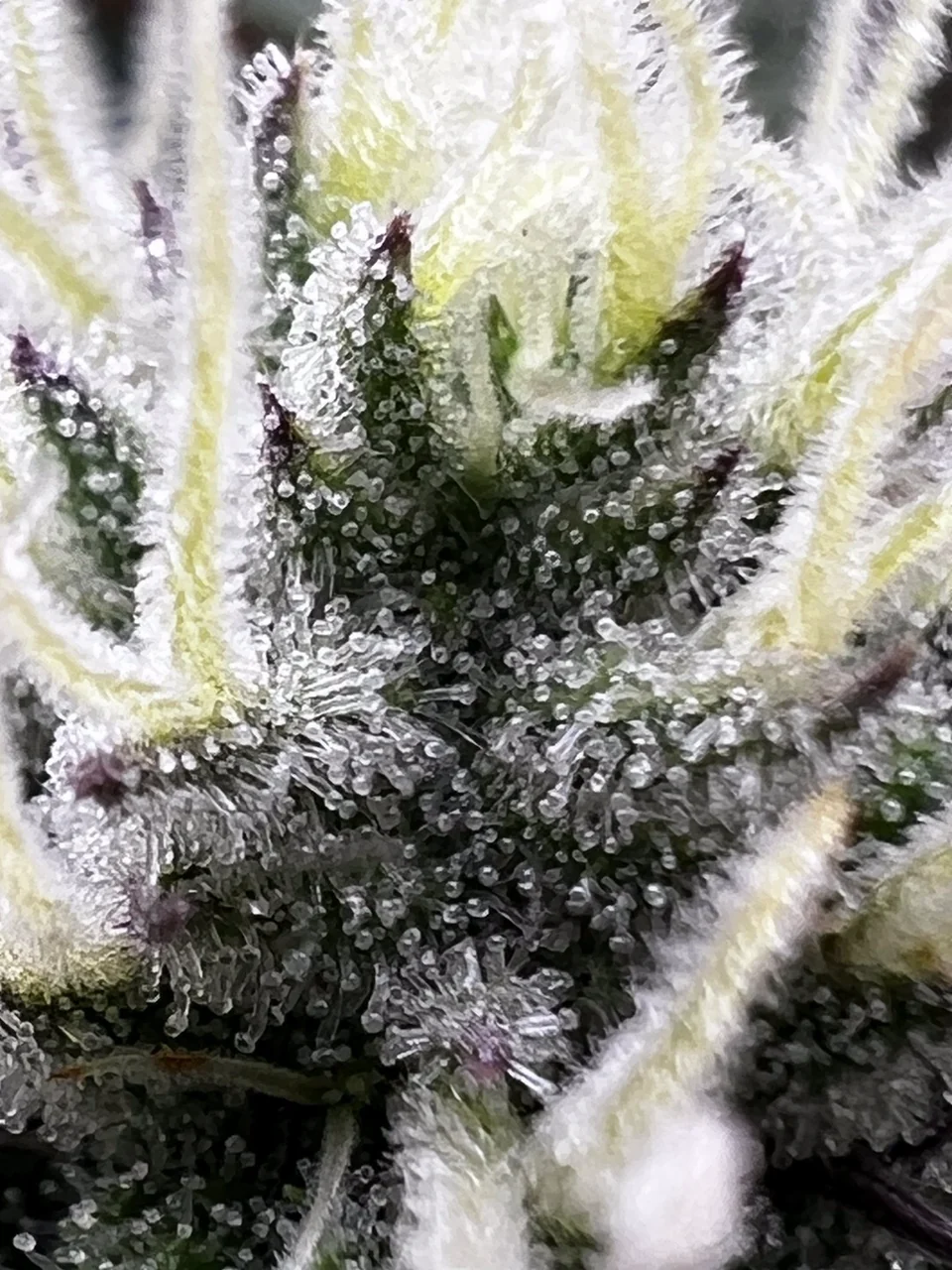
Cultivar names and lab results
To interpret a report, distinguish cultivar names, genetics and chemical composition and ask what evidence supports each.
Match the report to the sample
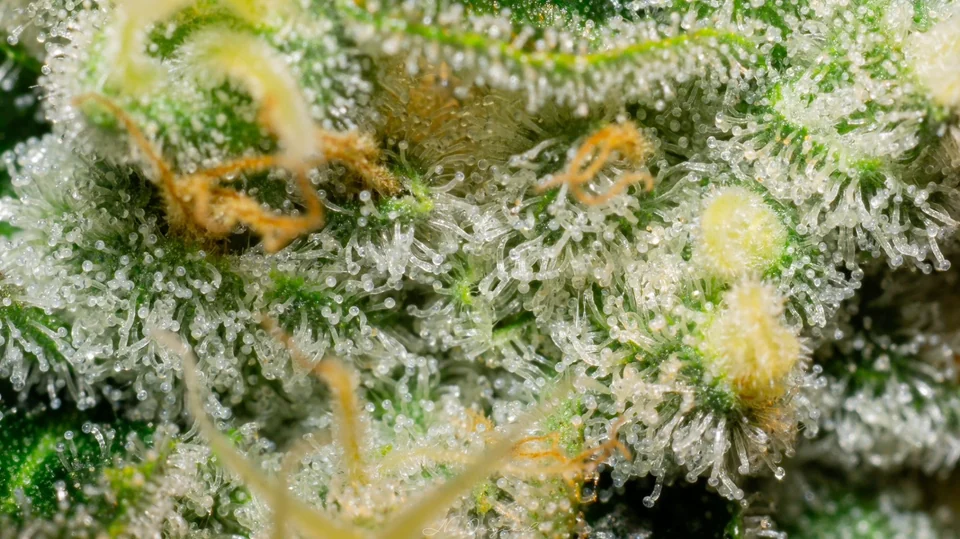
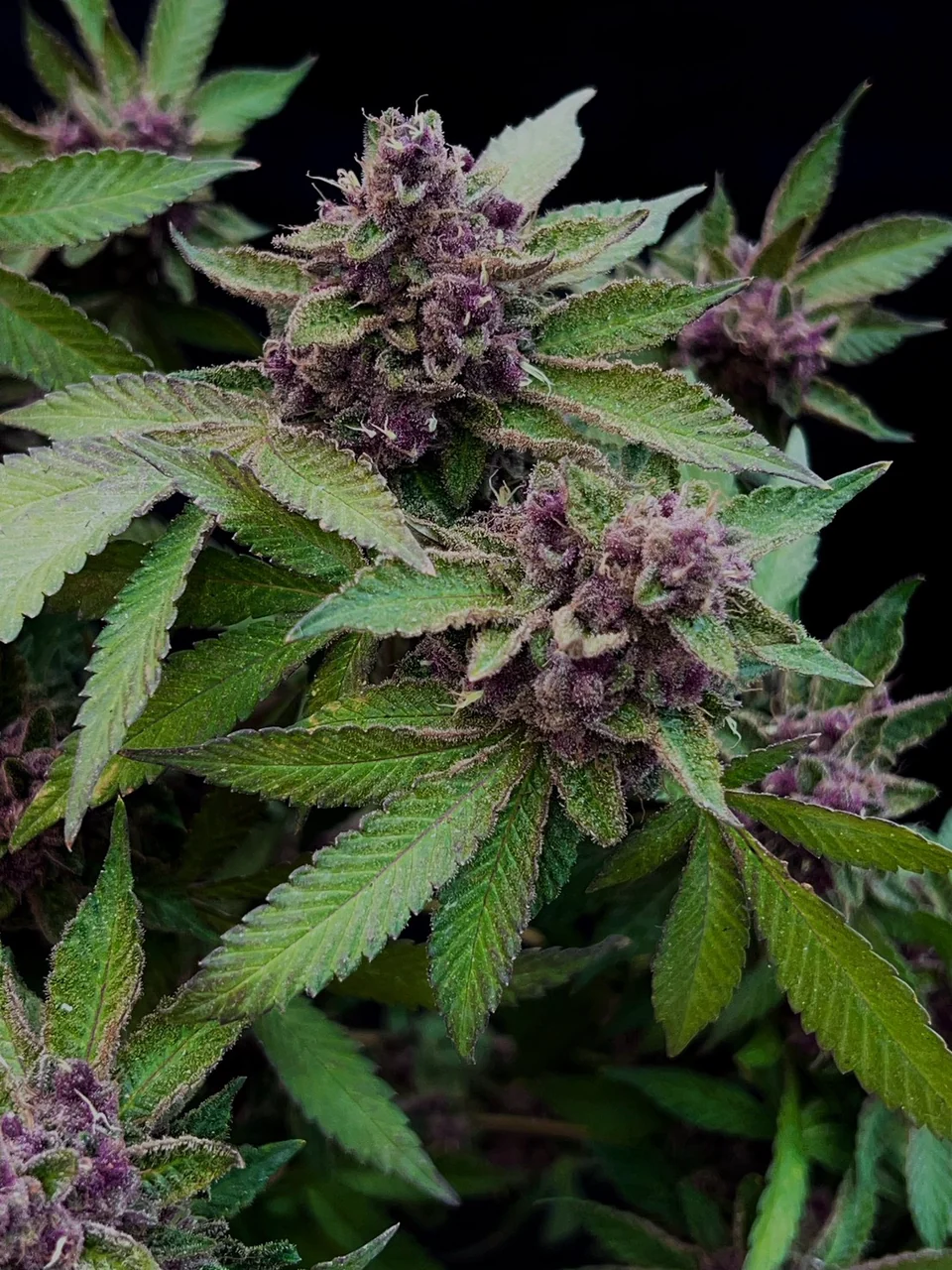
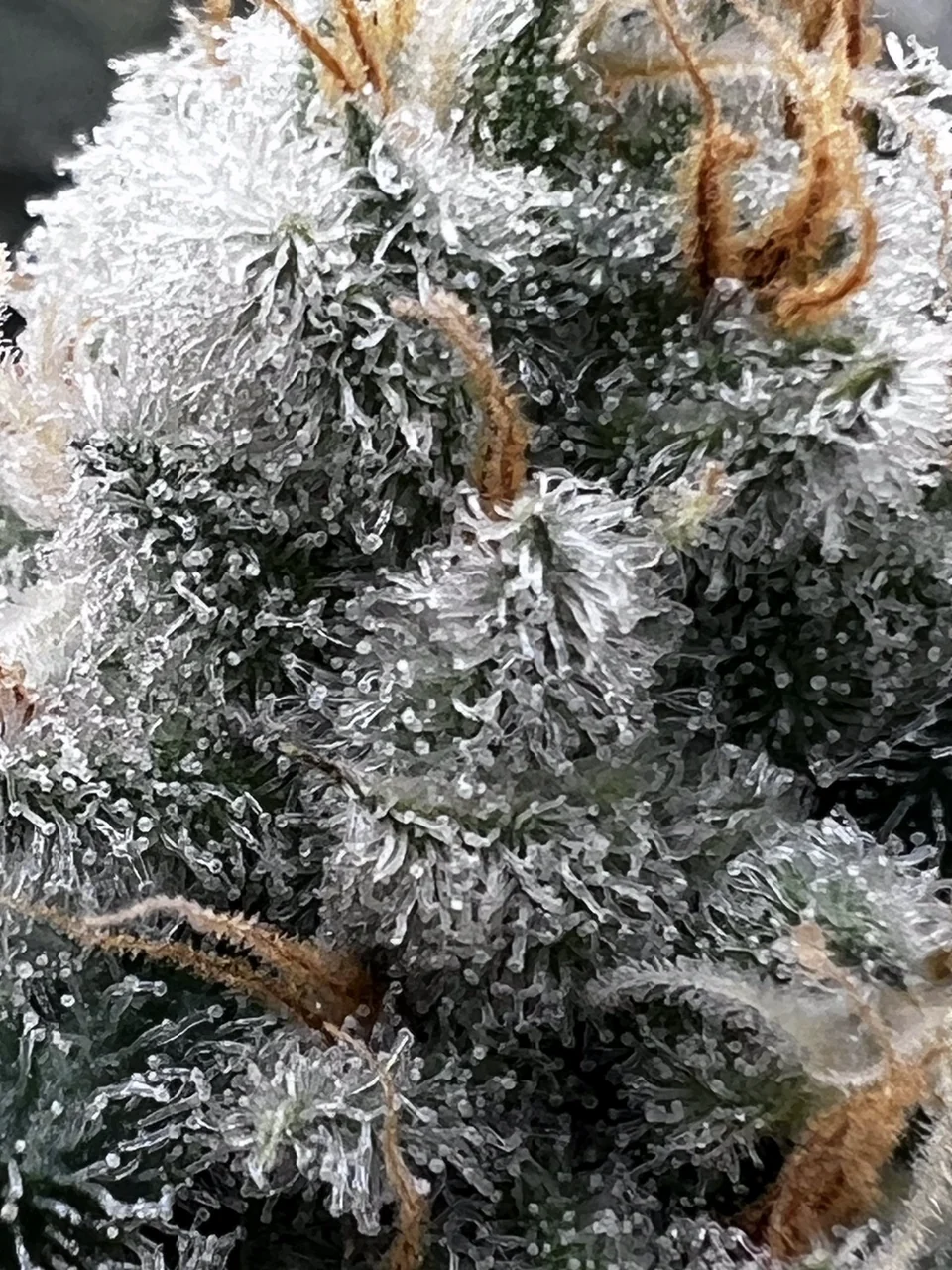
Start with the laboratory, sample and batch identifiers, and collection, receipt and analysis dates. Check that the report matches the material being discussed. These California rules illustrate a report structure; they are not Thai legal requirements. California DCC · §§15724–15726
Read the analyte, unit, method and measurement limits together. A result below the quantification limit does not mean zero, and one test panel does not cover substances it did not analyse. This Canadian guidance explains analytical methods; it does not certify the flowers in our photographs. Health Canada · analytical methods
THC or CBD results describe particular compounds; they do not cover every contaminant. Research by Thailand’s Department of Medical Sciences developed cannabis proficiency-testing samples specifically for pesticide residues and metal contaminants. Check which substances were tested, which methods were used and which sample the results describe. An untested item cannot be treated as contaminant-free. This research concerns laboratory assessment, not the flowers pictured by BUDS or a survey of the entire market.
Fictional example: reading a document, not a real test result
The DEMO fields below are invented solely to show document matching. They contain no laboratory identity, concentration or pass/fail result and are not linked to any photographed flower.
| Field | Example / question |
|---|---|
| Sample ID | DEMO-001 |
| Batch ID | DEMO-BATCH-A |
| Collected / received / analysed | 2026-09-01 / 2026-09-02 / 2026-09-03 |
| Unit | Check whether the unit is % by weight or mg/g before comparing values |
| Analyte and method | Read the analyte, method and LOD/LOQ from the original report |
| Missing panels | Mark as unavailable; do not claim contaminant-free |
Work through the document match
Continue the hypothetical example: the label in front of you says DEMO-BATCH-B, but the report says DEMO-BATCH-A. Matching cultivar names do not connect the report to batch B. Request the specimen-to-batch documentation, check the report and revision identifiers, and retain “not yet matched” until evidence resolves it. Do not silently replace A with B.
Sampling, laboratory receipt and analysis dates describe different events. Their sequence tells you which period the document covers, but a more recent date alone does not make a report applicable to your specimen. A sound match answers both “what?” and “when?”.
Reading units, LOD, LOQ and ND
LOD concerns detecting an analyte above background; LOQ concerns reliably quantifying it within the method’s performance. Health Canada also distinguishes instrumental sensitivity from limits for the full method, including sample preparation. This is analytical guidance, not a Thai legal pass threshold. Health Canada · Validating analytical methods
| Report entry | How to read it | Do not translate it into |
|---|---|---|
| <LOQ | Below the stated quantification limit; check method and unit | Definitely absent or exactly zero |
| ND | Read the laboratory’s ND definition and applicable limit | Always identical to <LOQ |
| No result row | This report supplies no result for that item | Automatically passed or not detected |
| 1 mg/g | Equivalent to 0.1% by mass on the same basis | Immediately comparable across analytes or reporting bases |
The conversion is mass-ratio arithmetic: 1 mg per 1 g is 1 in 1,000, or 0.1 in 100. Comparisons still require the same analyte and reporting basis; dry-basis and as-received results should not be merged without understanding their definitions. Unit conversion changes numerical expression, not specimen or method differences.
A standard number does not replace an accreditation scope
ISO/IEC 17025 addresses laboratory competence, impartiality and consistent operation. NIST NVLAP explains that accreditation relates to specified tests or calibrations within an identified scope. Check the accrediting body, scope document and covered methods or parameters instead of substituting a standards logo for the report. ISO · ISO/IEC 17025 NIST NVLAP · Accreditation and certification
If a report covers active compounds but omits contaminants, keep the conclusion within the tested scope. A “pass” label needs its test item, criterion version and specimen. Missing information does not automatically condemn a specimen; it limits the conclusion the document can support.
Three ways to finish a report review responsibly
In a first hypothetical case, identifiers match and the report is complete: summarise results within its methods and scope, retaining the document. In a second, identifiers differ: stop the match and seek connecting evidence. In a third, identity matches but the test panel cannot answer the question: state what remains unanswered. None requires a simplistic “good” or “bad” verdict.
For readings produced in a workspace, our guide to instrument specifications and results helps examine data quality. The Clean State framework keeps laboratory evidence separate from personal experience. A finished COA review should always identify what this document supports and what it leaves unresolved, without using a cultivar name or attractive image to fill the gap.